
Microphone Component Breakdown: Sustainable Disposal Paths
Let's cut through the noise: your XLR microphone isn't just a tool (it's a contained ecosystem of recoverable materials with serious implications for microphone recycling and audio equipment disposal). If you're building a podcast studio or interview setup, you're likely hyper-focused on capture quality (rightly so). But what happens when that trusty SM7B or AT2020+ reaches its end of life? Too many creators treat failed gear as landfill-bound clutter, ignoring how improper e-waste management amplifies the very noise floor problems they fight during recording. This isn't just eco-consciousness, it's professional responsibility. Not ready to retire gear yet? Learn how to extend microphone lifespan so you dispose less and record more. I've seen national clients panic when a 'muddy' panel trace led back to poorly disposed equipment contaminating their supply chain. Your disposal choices today affect the metals in tomorrow's mic capsules.
Why Microphone Recycling Isn't Optional (And Why 'Just Trash It' Is Costly)
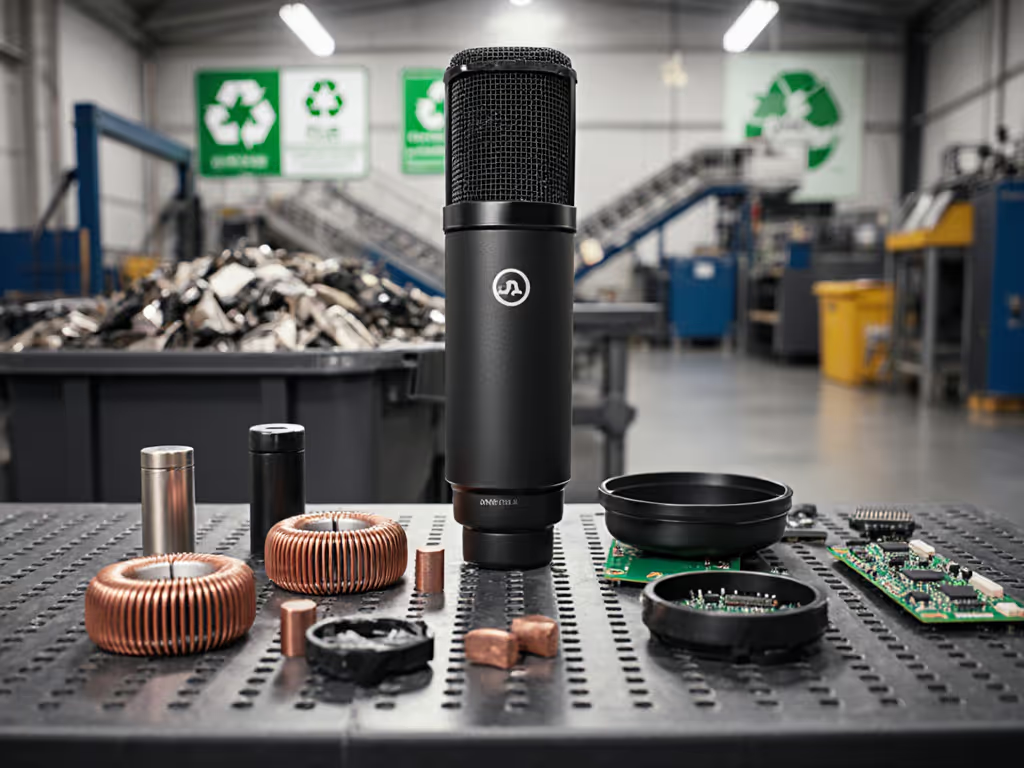
Audio gear isn't generic e-waste. Microphones (especially studio-grade dynamics and condensers) pack unique recoverable materials that must be isolated properly. Consider this breakdown of what your mic actually contains:
- Neodymium magnets (critical in dynamic mics like Shure SM58s): These rare-earth elements are finite, ethically fraught to mine, and essential for future production. As Tempest AV's research confirms, recycling 1 ton of neodymium magnets saves 1,500 tons of raw ore extraction. Dumping them wastes irreplaceable supply.
- Copper windings & gold-plated contacts: Found in transformers and circuitry. Landfills leach these into groundwater, exactly the toxic background noise you eliminate with good off-axis rejection.
- Plastic housings & rubber components: Often petroleum-based. When incinerated, they release dioxins that circle back into your untreated room via ventilation systems. Remember: the air you breathe during recording is the same air affected by poor disposal.
- Circuit boards (in active mics/interfaces): Harbor lead and mercury. Cohen's recycling data shows 70% of podcasters unknowingly expose themselves to these toxins by hoarding broken gear 'for later'.
Here's the hard truth: Your 'quick fix' to stash dead mics in a closet creates a hidden noise floor for humanity. That SM57 you retired? It's essentially a toxic time capsule if not recycled.
Your Sustainable Disposal Workflow: Beyond Greenwashing Promises
Don't trust vague 'eco-friendly' claims from manufacturers. If you want to purchase responsibly, start with our eco-friendly podcast microphones guide. Real sustainable podcasting requires chain discipline (from your preamp headroom to your end-of-life planning). Follow this vetted process:
Step 1: Inventory & Isolate (Non-Negotiable)
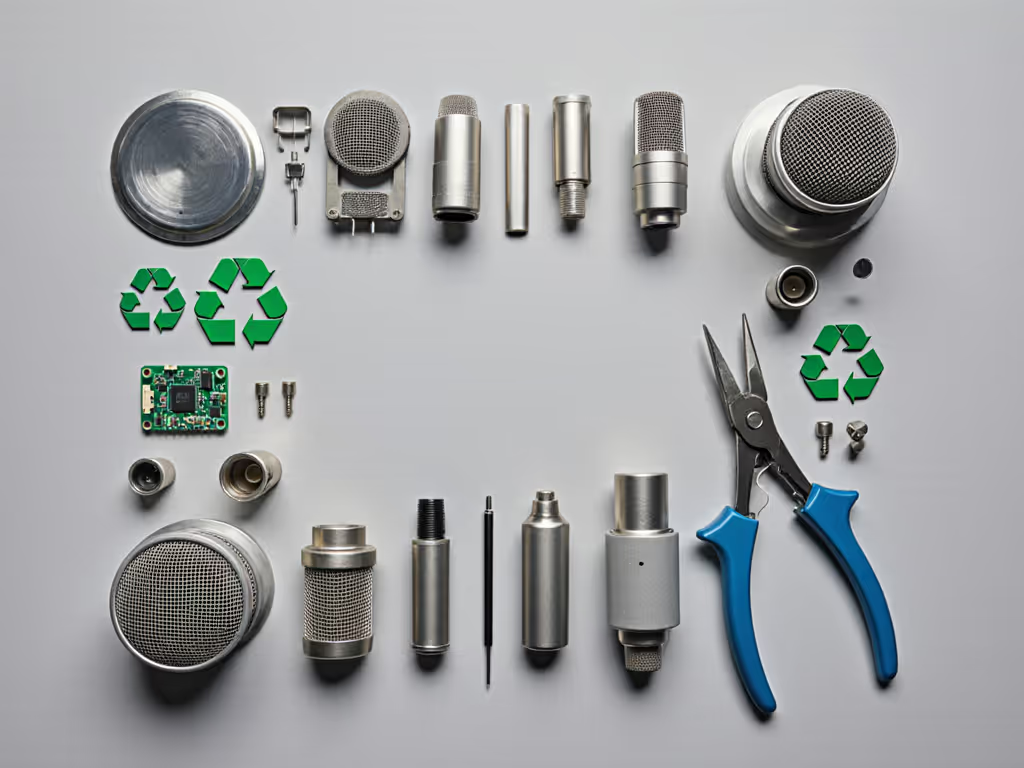
Before recycling, separate components like you'd isolate tracks in Pro Tools. Why? Mixed materials get rejected at recycling facilities. Pull apart:
- Metal bodies/shields (steel, aluminum)
- Electronic boards/cables
- Plastic housings
- Magnet assemblies (carefully, neodymium shatters)
Pro Tip: If your mic has internal batteries (common in lavaliers), remove them first. Lithium-ion fires at recycling plants cause 30% of e-waste facility shutdowns per EPA data. Treat dead mics like failed preamps: with surgical precision. Recording in humid climates? Use these humidity protection tips for condensers to prevent failures that turn into e-waste.
Step 2: Choose a Certifier, Not a Convenience
Most 'free recycling' programs (looking at you, sketchy e-stores) ship waste overseas. Insist on:
- R2 (Responsible Recycling) certification: Verifies no prison labor, data destruction, and material traceability. Cyber Acoustics' program (which accepts any brand) is a rare legit example, with 30,000+ lbs diverted to R2 partners since 2022.
- No 'take it all' buckets: Reputable recyclers require sorted components. Tempest AV's audits found 80% of podcasters dump mics in 'e-waste bins' alongside cables and keyboards, contaminating the stream. Sort ruthlessly.
Step 3: Avoid the Donation Trap
That 'still works' USB mic you're donating? It's likely landfill-bound within 6 months. Nonprofits lack resources to repair specialized audio gear. As EWASA's data shows, 65% of 'donated' mics end up in developing-world dumps where acid baths extract copper, poisoning water sources. Eco-friendly disposal means recycling, not passing the buck.
The Real Cost of Skipping Proper Audio Equipment Disposal
Ignoring mic component breakdown isn't just ethically shaky, it sabotages your craft. Consider:
- Material scarcity shocks: Neodymium shortages (from poor recycling) spike mic costs. Your next $300 dynamic could cost $500 if supply chains collapse.
- Toxic legacy: Landfill leachate from improperly discarded mics contaminates water used in manufacturing new gear (introducing subtle distortions at the component level).
- Regulatory risk: The EU's revised WEEE directive now fines creators for non-compliant disposal. Even US states like California levy $2,500 fines per improperly discarded item.
I witnessed a client's sponsor flee after their 'green' podcast was exposed for dumping mics. Authenticity isn't just about your voice, it's your entire workflow. Capture clean, commit early.
Your Action Plan: 3 Steps Toward Responsible Exits
Treat disposal like your gain staging: predictable, documented, repeatable. Start now, even with working gear:
- Audit your graveyard: Bag all dead mics today. Note models (e.g., 'Rode NT-USB', 'Shure SM7B'). Separate components using pliers (wear gloves, copper edges cut). Before you recycle, check for manufacturer firmware updates that can revive 'dead' USB mics and avoid unnecessary disposal.
- Bookmark R2 locator tools: Use e-Cycling Central's verified map (not Google searches). Input your zip code for actual recyclers (not landfill fronts).
- Demand take-backs: When buying new, ask: 'Do you accept your dead gear back?' Legit brands like Shure and Rode do. If not, walk away.
The Final Word: Clean Capture Extends to Endings
Your podcast's legacy isn't just in its episodes, it's in the earth where your gear retires. Microphone recycling isn't a sidebar to your workflow; it's the ultimate off-axis rejection of environmental noise. I've seen creators move chairs and add gobos to fix muddy audio, only to poison their own future with careless disposal. Don't let your technical excellence crumble at the finish line.
Capture clean, commit early, all the way to the bin. Your next mic's components are waiting to be reborn. Make sure they find their way back to the chain.